
What is Hyper-Personalization in Digital Marketing?
Introduction
In today’s digital world, customers expect more than just generic ads and emails. They want brands to understand their needs, preferences, and behavior. This is where hyper-personalization in digital marketing comes into play.
Hyper-personalization is one of the biggest trends in 2026, helping businesses deliver highly relevant and customized experiences to users in real-time.
What is Hyper-Personalization?
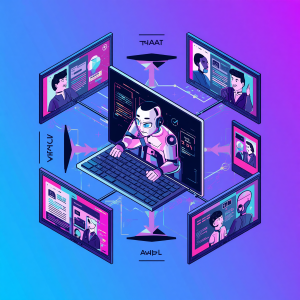
Hyper-personalization is an advanced marketing strategy that uses data, artificial intelligence (AI), and real-time behavior tracking to deliver personalized content, products, and messages to each individual user.
Unlike basic personalization (like using a customer’s name), hyper-personalization goes deeper by analyzing:
- User behavior
- Purchase history
- Browsing patterns
- Location data
- Real-time actions
Example of Hyper-Personalization
- E-commerce websites showing products based on your past searches
- Emails with product recommendations you actually like
- Ads that match your recent interests
- Streaming platforms suggesting content based on your watch history
Hyper-Personalization vs Personalization
| Feature | Personalization | Hyper-Personalization |
|---|---|---|
| Data Used | Basic (name, age) | Advanced (behavior, AI data) |
| Approach | General | Real-time & dynamic |
| Experience | Limited | Highly customized |
| Technology | Simple tools | AI & machine learning |

Why Hyper-Personalization is Important
1. Better Customer Experience
Users get content that matches their interests, increasing satisfaction.
2. Higher Conversion Rates
Relevant offers lead to more clicks, leads, and sales.
3. Improved Customer Retention
Customers stay loyal to brands that understand them.
4. Increased ROI
Marketing becomes more efficient with targeted campaigns.
Key Technologies Behind Hyper-Personalization
- Artificial Intelligence (AI)
- Machine Learning (ML)
- Big Data Analytics
- Customer Data Platforms (CDPs)
- Marketing Automation Tools
How to Implement Hyper-Personalization
Step 1: Collect Customer Data
Use tools like:
- Website analytics
- CRM systems
- Social media insights
Step 2: Segment Your Audience
Group users based on:
- Interests
- Behavior
- Purchase history
Step 3: Use AI Tools
Leverage AI to predict user behavior and automate content delivery.
Step 4: Create Personalized Content
- Dynamic emails
- Product recommendations
- Personalized landing pages
Step 5: Optimize in Real-Time
Track performance and improve campaigns continuously.
Best Examples of Hyper-Personalization
- Online stores recommending products
- Netflix suggesting shows
- Spotify creating personalized playlists
- Amazon showing relevant products
Challenges of Hyper-Personalization
- Data privacy concerns
- High dependency on technology
- Requires quality data
- Implementation cost
Future of Hyper-Personalization in 2026
Hyper-personalization will become even more powerful with:
- AI-generated content
- Voice search integration
- Real-time decision-making
- Predictive marketing
Businesses that adopt this strategy early will gain a strong competitive advantage.
Conclusion
Hyper-personalization is no longer optional—it’s essential for modern digital marketing. By using data and AI, businesses can create meaningful, relevant, and engaging experiences for their customers.
If you want to grow your brand, increase conversions, and stay ahead in 2026, hyper-personalization is the key strategy you should focus on.
SEO Keywords (Use in Blog)
- hyper-personalization in digital marketing
- what is hyper-personalization
- personalization vs hyper-personalization
- AI in digital marketing
- personalized marketing strategy
Meta Description
Learn what hyper-personalization in digital marketing is, how it works, examples, benefits, and strategies to boost conversions in 2026.